Anotec

Anotec

Corrosion stops with Anotec

Metals in the ground, in water, or in concrete? Without cathodic protection, they corrode. This poses a risk of leaks, failures, and high repair costs due to rust formation.

For over 30 years, Anotec has offered reliable solutions in the field of cathodic protection – from materials and installations to professional advice. We help you to protect metal structures and reinforced concrete sustainably against corrosion and to significantly extend their lifespan — both in industrial applications and for private projects.

Why choose Anotec?

  • More than 30 years of professional expertise.
  • Belgian manufacturer of high-quality cathodic protection material.
  • Professional advice and technical support from design to installation.
  • Reliable repair service.
  • Extensive stock, fast service.
‘Time heals everything apart from corrosion’ (A.J. Munzer)

What is cathodic protection?

When chlorides attack steel, anodic zones form: places where current flows and corrosion occurs. Other parts that receive current are cathodic and therefore protected.

Cathodic protection actively intervenes in this process:

  • Anode material is applied in the concrete structure.
  • These anodes are connected to a rectifier-transformer.
  • A controlled electrical protective current is sent to the anodes and then to the steel reinforcement.
  • This stops corrosion and all parts of the reinforcement are electrically protected.

The result: a longer lifespan for your concrete structure, lower maintenance costs and a permanently safe structure.

Application areas

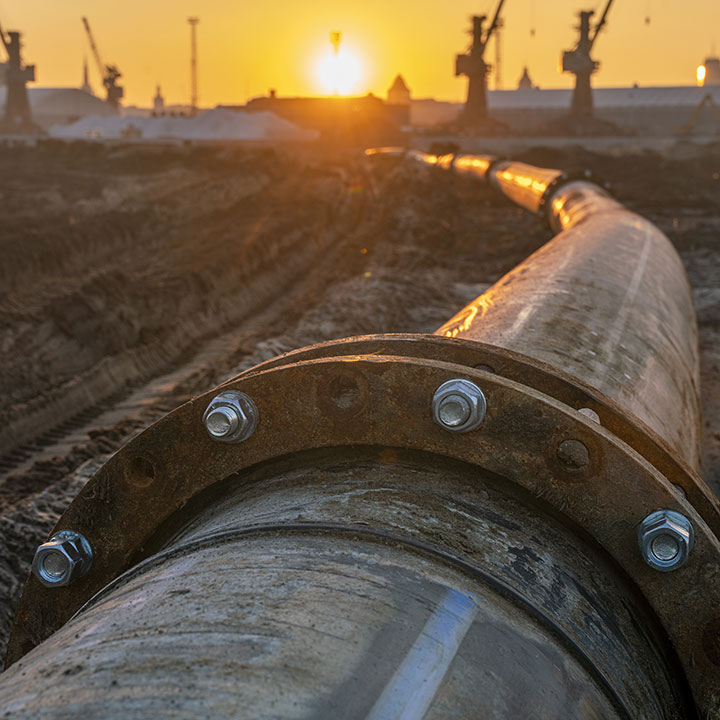
  • Metal structures: underground storage tanks, above-ground sulfuric acid tanks, oil separators, water tanks, pipes, sheet piling, ships, …
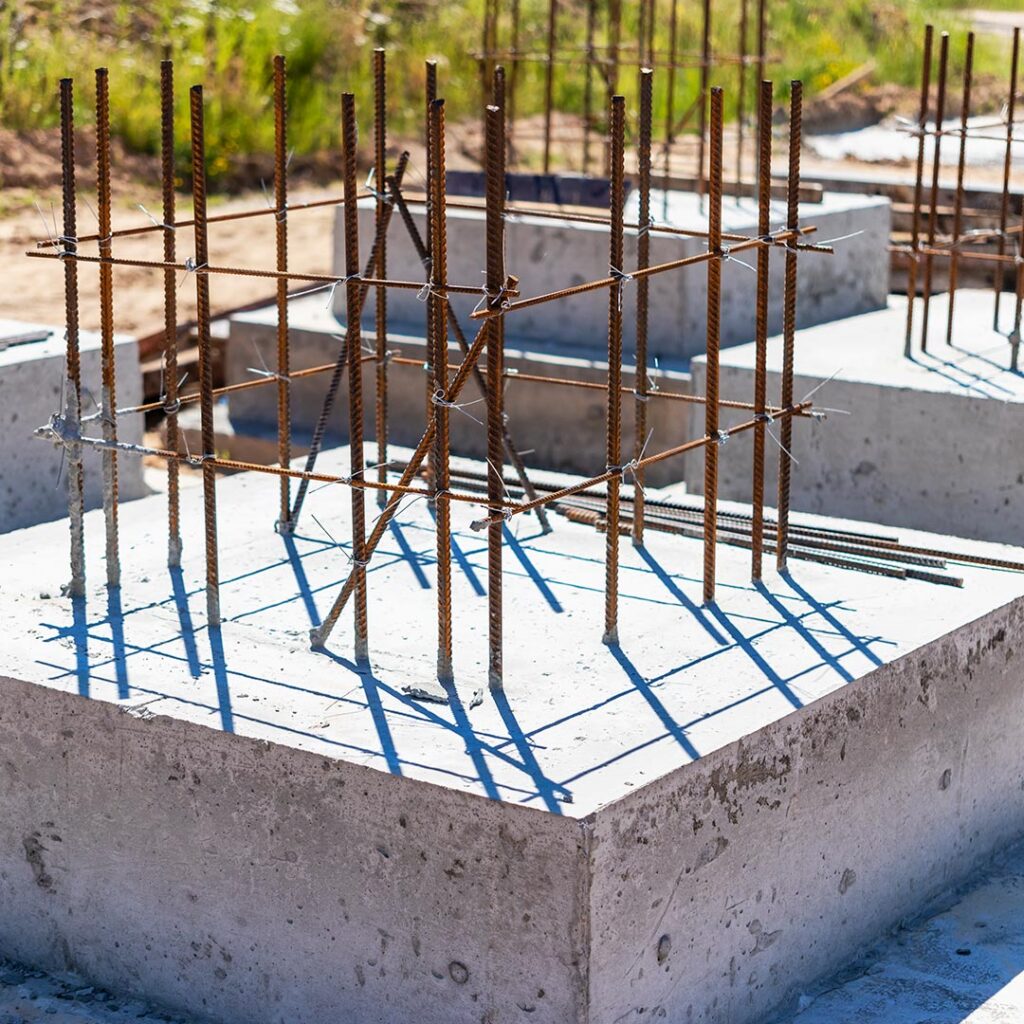
  • Reinforced concrete structures: tunnels, bridges, basements, quay walls, foundations, …

Tank stations

Pipelines

Harbor structure, sheet piling and jetties

Wastewater installations

Concrete

Marine

WE BESCHERMEN INSTALLATIES VÓÓR ZE PROBLEMEN VEROORZAKEN.
DUURZAAM EN DOELTREFFEND.

What do we do?

We protect installations before they cause problems – sustainably and effectively.

Advice

We offer expert, tailored advice and technical support to protect your installation against corrosion.

Design

We develop customized designs with high-quality anodes that sustainably protect your installation.

Repair

Fast, professional repair service with a wide range of parts in stock – so your installation always remains operational.

Installation

We install your cathodic protection in a professional, safe manner. Whether it concerns a brand new project or an existing system – we provide the right solution tailored to your situation.

We apply two methods:

  • Sacrificial anodes, which sacrifice themselves to protect the structure
  • Impressed current, where an external power source actively protects the metal

Which method is suitable depends on the material, the location and the load.

Control / Maintenance

Periodic checks with current and potential measurements (including reporting) and regular maintenance ensure optimal operation of your cathodic protection. This allows deviations to be detected and addressed in a timely manner.

A properly functioning CP installation requires follow-up

Materials

We are a distributor of high-quality cathodic protection material and supply both installers and end users:

  • Anodes: zinc, magnesium, aluminum, Timmo
  • Electrodes: copper sulfate, silver chloride,
  • Rectifiers and control equipment
  • Measuring poles, cabling, connection materials
  • Backfill

YOUR INSTALLATION DESERVES THE BEST PROTECTION.

Corrosion in reinforced concrete: an underestimated danger on the coast

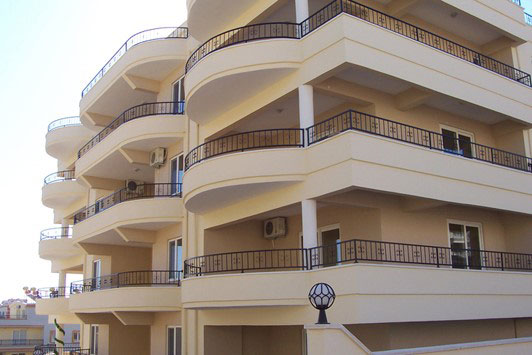
Coastal buildings are exposed to salt, moisture and wind every day. Concrete is naturally porous and therefore allows chlorides (salt particles) to penetrate to the steel reinforcement. When these chlorides attack the steel, corrosion occurs.

Corrosion causes cracks, spalling and weakening of the structure. The process also accelerates as more damage occurs. As a result, balconies, columns, galleries and other concrete structures can lose their stability.

Only repairing the visible damage seems like a quick solution, but does not address the cause. This can endanger the safety of the structure.